
Is Your Birth Control Method Causing MELASMA?
Birth control is good for many things, clearing excess oil and acne, preventing pregnancy, and lessening heavy periods and PMS symptoms. For most women, it’s a tiny miracle pill known to take care of a wide range of life’s minor annoyances. But it may create other concerns for some. Alternatively, the pill that may keep your skin acne-free and clear could also be equally troublesome and contribute to dark patches. Though everyone's experiences with the pill are different, we spoke with the top dermatologists about some of the ways the pill might flare up your melasma.
Can Birth Control Cause Melasma?
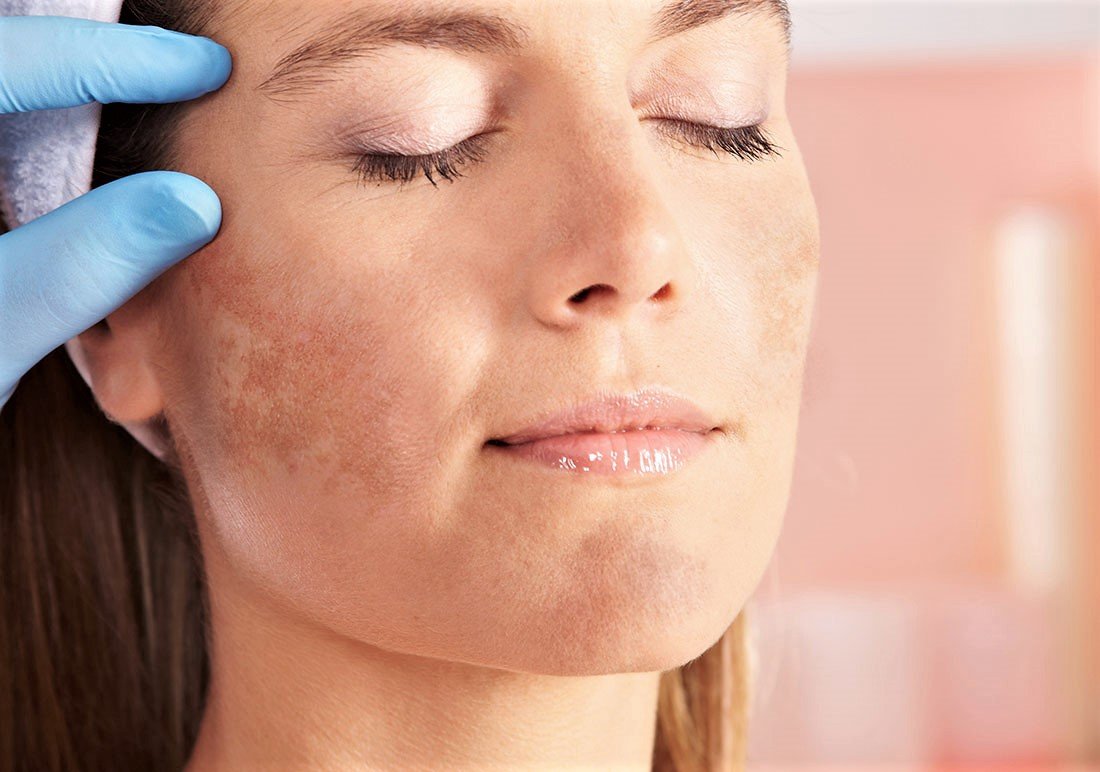
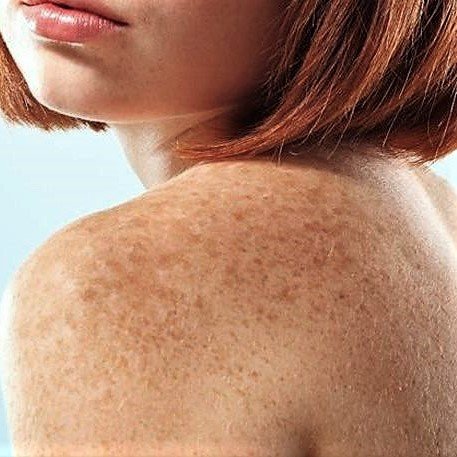
Have you ever heard of the “mask of pregnancy,†an area on the face that's covered in brown patches (commonly from the forehead to upper lip area)? It is indeed common in pregnant women, but melasma (as it's more often referred to) affects those women also who are not expecting. According to a skin expert, melasma is a pigmentary disorder that is complex and common. "Melasma appears as reticulated brown patches on sun-exposed skin. It exists at the intersection of UV light exposure, heat exposure, and hormone changes." Its association with hormones is what attained the name "mask of pregnancy" for melasma. The skin expert further says "Hormones are active during pregnancy and it can be a trigger for melasma, however, it's not the only trigger."
Oral contraceptives, menopause, and even regular monthly hormone fluctuations can cause melasma to worsen "specifically if the skin is exposed to the sun or extreme heat," explains the derm.

What Types of Birth Control Can Expectedly Cause Melasma?
Hormonal contraceptives use progesterone and estrogen (or progesterone only) to prevent pregnancy. And whether you practice hormonal birth control by taking an oral contraceptive, wearing a patch, or using an IUD, all are parallel in terms of their association with melasma. According to a top derm, "Any hormonal birth control may contribute to melasma."
There are several different forms of contraceptives in the market, and on the whole, no one is better than the other in terms of preventing melasma. If you're considering stopping birth control, expecting to prevent discoloration and brown patches, dermatologists encourage you to manage your expectations. They say, "It's likely to improve but it won't necessarily completely dissolve."

Birth Controls That Don't Cause Melasma:
Non-hormonal birth control (diaphragms, copper IUD and
sponge, etc), as well as the barrier method, are not believed to make melasma begin. Yet, if you have melasma and are using non-hormonal contraceptives, it need to be investigated other possible sources. The skin doctor tells us that the cause of these brown patches may be difficult to identify in some patients but it can be genetic.
What are the Best Treatments for Melasma
Experts recommend talking to your dermatologist to map out the best treatment plan for your melasma at the earliest availability. That is because treatment looks different for everyone. Yet, the specialist says that while melasma can be treated, it cannot be cured entirely. "Therapies include topical lightening agents like hydroquinone, tranexamic acid, azelaic acid, and cysteamine," Dr explains. "Lasers like Fraxel, Picosure, and procedures like chemical peels, and microneedling are also potential treatment options." According to dermatologists, Picosure laser is especially effective for more stubborn cases of melasma condition. "It's a great option, especially for dermal melasma type that is deeper in the skin and more time taking to treat," the expert briefs. "Though we've been using it for melasma for years, it recently also gained official FDA approval for melasma."
While the majority of those options should be discussed with your doctor, still, there is one thing you can do to protect your skin before booking a visit to the derm. "Sun protection is the most important thing you can do to prevent sun-related discoloration like melasma and lentigines," says the expert. "Sun protection and its avoidance are critical. That means you must apply a broad-spectrum sunscreen with SPF 30 or higher daily," she adds. "This combined with other sun-smart precautions like seeking shade, avoiding peak UV hours, and wearing protective clothing like a broad-brimmed hat and UV-shielding sunglasses."
You can also use a variety of over-the-counter ingredients targeted to reduce the disorder of melasma. These ingredients should also be used in combination with an SPF. The dermatology recommends kojic acid for managing dark spots. Skin experts say "Kojic Acid is a chemical, produced from some types of fungi category. It works by blocking tyrosine from formation, which then prevents melanin production." Niacinamide is also highly recommended. Research has found that niacinamide can lessen the appearance of age spots, dark blemishes, and other pigmentation concerns.
Additionally, your skin can also benefit from antioxidants like licorice extract. "It contains concentrations of flavonoids that equip the skin with antioxidant attributes, which work to neutralize natural radicals present in the environment," the specialist says.
"Topical application of skincare products infused with licorice extract can help to provide a healthy glow and enhance the skin's overall quality and appearance."
Dermatologists recommend Cyspera, a non-hydroquinone alternative for fading dark spots. "It works as well as hydroquinone to lighten this mask of pregnancy and provide an even more complexion. Used once a day for only fifteen minutes, it's a game-changing product for discoloration," they add. "Retinols also reduce discoloration. Start slowly. Keep in mind that irritation can occur when they are first introduced."
When to See a Skin Professional?
If your mirror tells you symptoms of melasma, it's always best to check with a dermatologist. Indeed, they will be able to confirm whether your symptoms can be associated with melasma or are related to something else.
The Final Word!
While melasma, like any other skin condition, can be frustrating to treat, it isn't impossible, though the causes may sound ambiguous. While there are many procedures you can take in your skincare routine to help prevent different types of further hyperpigmentation of your skin like melasma, dark spots, blemishes, marks, etc. But your best bet is to speak to your dermatologist or doctor to help better understand if your birth control is impacting your skin. Regardless, they'll be able to tailor the best plan of action for your skin and health.

Learn More: What is Melasma? Symptoms, Causes & Solutions, straight from the Derms.