
Symptoms, Causes & Solutions. Straight from the Derms.
Our skin is constantly changing and evolving like a million things in our lives. One lucky day you wake up with a brightly clear and so alluring. But, the other days, you discover a new brown spot that seemingly appeared just overnight. One of the top common causes of such marks is melasma.
Keeping it simple, melasma is a cosmetic condition that appears on the skin. Usually, different circumstances can bring melasma. On the other hand, there is a variety of risk factors to make it more common in some communities than in others.
We have concluded what famous dermatologists say about Melasma and what they think can be done to defeat it. Let’s see below what they say.
What is MELASMA?
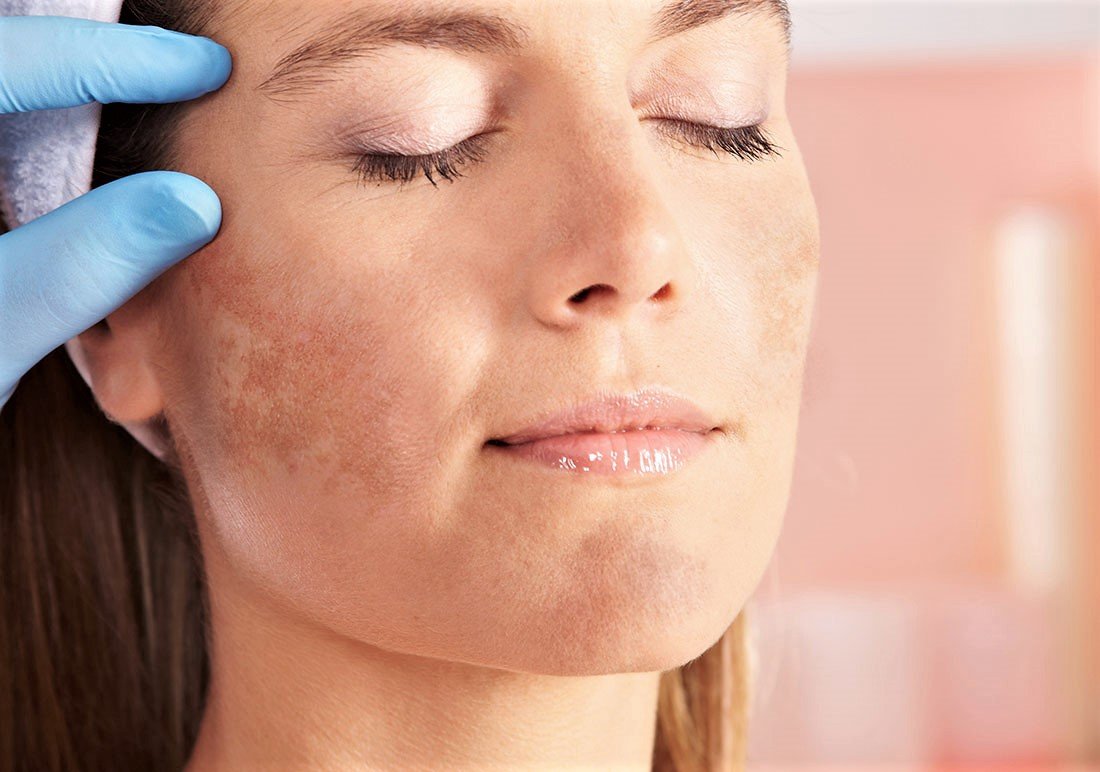
Melasma, also known as chloasma or pigmentation of pregnancy, is a common cause of asymmetrical, blotchy, brownish facial darkening (hyperpigmentation) in approximately 70% of women, especially those with sensitive skin. It is a pigmentation disorder that most often appears in women than men, more prominently on the face, neck, and much less often on the body.
There is a failure in the production of melanocytes and a higher level of pigment. As a result, the skin appears with patches, or fused altogether pigmented spots with uneven borders and wavering outlines. This skin defect does not bring any irritation or discomfort, except psychological. The spots are not raised, do not flake, do not turn red, do not itch or become inflamed. It can be concealed with decorative cosmetics, but it is always better to understand the causes and eliminate the condition permanently.
Melasma is most commonly related to hormonal changes with increased facial pigmentation occurring during the second half of pregnancy (the mask of pregnancy) and can be worsened by oral contraceptives. Although Melasma can be diagnosed between the age of 20 and 40, it is also shown in teenage depending on the lifestyle and environmental effects.
Unfortunately, Melasma is a common skin disorder of various causes that causes dark brown (hyperpigmented) patches, primarily on sun-exposed areas of the face. Genuinely it is recognized by brown patches that are intensified by the hormone estrogen, for instance, during pregnancy or by continuous usage of birth control pills.
Anti-seizer medications can also be a huge cause of this condition. Additionally, one of the highest dominating reasons is increased sun and heat exposure which is common in males and females.

What are it’s common Symptoms?
Melasma has a vast number of symptoms. This skin disorder primarily develops on the face, mostly found on one or more of the following areas:
• Forehead
• Nose
• Cheeks
• Chin
• Jawline
• Upper lip area
While less common, people also seem to develop Chloasma on their hands, neck, upper chest area, arms, and especially, more prone to sun exposure. However, no matter where the melasma appears, it causes blotchy patches and spots that can look like freckles.
The color of Melasma blemishes varies with a person’s skin tone and how severe the condition is. Generally, melasma is slightly darker than the natural skin tone. This stubborn condition stated above can also be seen in the bluish-gray shade in people with darker skin tones.

WHAT CAUSES MELASMA?
As the derms bring on, there are three dominant causes of melasma: sun and heat exposure, hormone changes, and liver complications. While not limited to these causes, these are the most common.
Sun exposure has always been the top reason for Melasma. But beyond this, another culprit behind this pigmentation type is pregnancy, meaning those carrying a child are more receptive to the condition. Melasma is frequently referred to as the mask of pregnancy. The increased levels of estrogen and progesterone that occur during pregnancy are usually thought a common factor. Hormonal birth control pills or hormone replacement therapy can also trigger melasma.
Hormones are very active during pregnancy and can be a trigger for melasma. However, it is not the only trigger. Oral contraceptives, Menopause, and even regular monthly hormone fluctuations can cause melasma to worsen, particularly if the skin is exposed to the sun or intense heat.
The UV light straight from the sun stimulates melanocytes. It is a type of cell in our skin to produces more melanin (the darkening pigment in the skin). Even if melasma has faded out, a short time in the sun can bring it back. That is the reason many people experience melasma over and over.
Our genetics may also play a role in melasma. Some of us are more genetically prone to getting this skin condition.
Who’re MORE LIKELY To Get MELASMA?
Women. Yes!
Touching off all the above-stated causes, it is not difficult to conclude that women, specifically those who are pregnant, are more susceptive to developing melasma.
The worldwide ratio says that melasma is found in nearly 90% of women and 10% of men, which is quite much at the peak. Luckily, this type of pigmentation is only a cosmetic concern. However, it is alarming to notice skin losing its natural charm while adopting these brown patches.
Secondarily, Chloasma is also widely diagnosed in those with darker skin tones.
Interestingly, fair skin tones have an exception with this type of skin damage. Still, regardless of that, as it is also hormone influenced, melasma always has an opportunity to occur in any skin type and gender. Darker and sensitive skin tones have more chances to be affected by chloasma but all ethnicities and genders have the complete potential.

Solutions & Treatments:
Gladly, there are several ways “how we can treat and prevent melasma†(make it internal link). But let's be realistic before we start treating melasma. Best Derms briefs that, "We may succeed to fade out the condition of melasma but it may come back due to certain causes."
When the Experts talk about the course of action, They say, "there are multiple approaches to treat melasma, like self-skin-care, the right medication and suggested beauty treatments Intense Pulse Light and Chemical Peels, etc."
"Unfortunately, there is no permanent cure for melasma, but we can always manage it with proper skin care and maintenance treatments like IPL or Fraxel Lasers", the Derm explains. "The top priority for people facing melasma is to get a good SPF and be religious with it."
According to an experienced Dermatologist, "it is important to use a physical blocker sunscreen that contains Zinc or Titanium. They are more efficient at preventing melasma as these sunscreens help stop sunlight from entering our skin cells and causing pigmentary changes." In addition to SPF, they point out that "it is also mandatory to avoid direct sun exposure—that means sunbathing or tanning will make it worse."
“Cyspera is an outstanding non-hydroquinone alternative that works parallel to hydroquinone to lighten dark spots and help achieve an even fairer complexion," says a Skin Expert. "Used once a day for just fifteen minutes will result in a game-changer decision for discoloration."
"Retinols can also be a help with discoloration," they continue. "Start slowly, as irritation may occur when they are first introduced. Fractionated resurfacing lasers like Fraxel and Chemical Peels can do a great job to help achieve even skin tone. Additionally, Intense Pulse Light is proven to work wonders in removing such dark patches and spots. Picosure laser is another wise option, especially for stubborn dermal melasma that is deeper in the skin and more difficult to treat.â€
(Cyspera is not an over-the-counter product. Please visit a dermatologist who can decide if it's the right treatment for you.)

The Final Word:
Melasma (Chloasma) is simply a cosmetic condition. Although there is nothing wrong with embracing it as is, there are solutions too. Those pregnant or breastfeeding should note that certain treatments for melasma can be dangerous. “If you have melasma during pregnancy or breastfeeding, always double-check to use products that are known to be safe," says the dermatologists. “Remember to make sure with your ob-gyn before starting using a new product."
And indeed, sunscreen, sunscreen, and sunscreen. “Look for a sunscreen with at least SPF 30 and first apply it in the morning,†the Derms adds. “Don’t forget to reapply, it is a must if you are outdoor all day." So many patients with melasma visit the skin experts, complaining that it appeared seemingly overnight because they forget to apply sunscreen.

LEARN MORE: How to Spot the Difference Between Melasma vs. Hyperpigmentation, According to a Derm. (keep it internal link)